
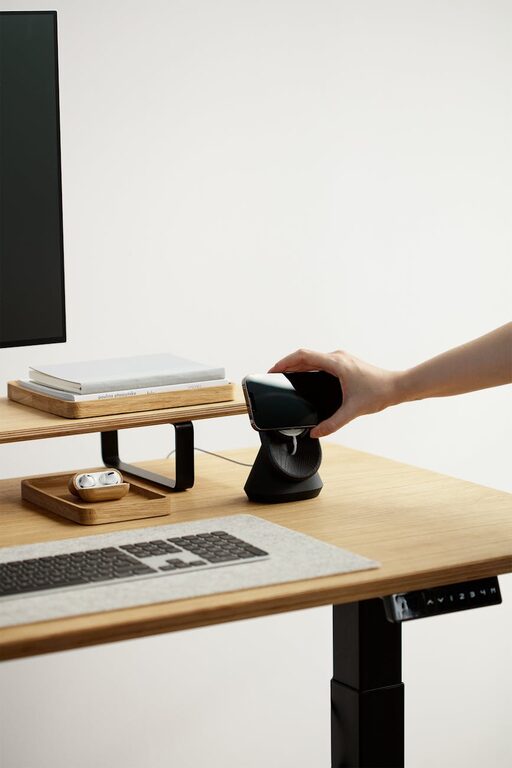
Creating a workspace that promotes focus and comfort is key to being productive and maintaining well-being during long hours at your desk. Whether you work from home or in an office, optimizing your desk setup can make a significant difference in how you feel and perform. In this post, we’ll cover practical tips to help you design a desk environment that supports concentration and keeps you comfortable.
Why Desk Setup Matters
Your workspace influences your mood, energy levels, and ability to stay focused. An organized, ergonomic desk minimizes distractions, reduces physical strain, and can even boost creativity. By paying attention to how your desk is arranged, you create an environment that encourages productivity and helps you maintain a healthier posture.
Choose the Right Desk and Chair
Desk Selection Tips
– Size Matters: Pick a desk large enough to hold your essentials without clutter but small enough to fit your space comfortably.
– Adjustable Height: Consider a desk with adjustable height so you can switch between sitting and standing positions.
– Storage Options: Desks with built-in drawers or shelves help keep important items handy yet out of sight.
Chair Considerations
– Ergonomic Design: Choose a chair that provides good lumbar support and encourages an upright posture.
– Adjustability: Adjustable seat height, armrests, and backrest tilt allow you to customize comfort.
– Padding and Breathability: A padded seat and breathable fabric increase comfort for extended sitting.
Position Your Monitor Correctly
Proper monitor placement reduces eye strain and neck pain. Follow these guidelines:
– Eye Level: The top of your screen should be at or just below eye level.
– Distance: Position the monitor about an arm’s length away—roughly 20 to 30 inches.
– Angle: Tilt the screen slightly upward to reduce glare.
– Dual Monitors: If using more than one screen, position them so you can easily shift your gaze without turning your head significantly.
Optimize Lighting
Good lighting helps reduce eye fatigue and creates a welcoming workspace.
– Natural Light: Position your desk near a window if possible; natural light improves mood and focus.
– Task Lighting: Use an adjustable desk lamp to provide direct light on your work area without causing glare.
– Avoid Shadows: Place light sources to minimize shadows on your desk or keyboard.
Organize Your Desk for Efficiency
A tidy desk reduces distractions and makes it easier to find what you need.
– Declutter Regularly: Keep only daily essentials on the desktop; store other items in drawers or shelves.
– Use Organizers: Pen holders, trays, and file organizers keep items neat and accessible.
– Cable Management: Use clips or sleeves to bundle cables, preventing tangles and clutter.
– Personal Touches: A small plant or photo can personalize your space without overcrowding.
Promote Comfort with Accessories
Adding thoughtful accessories can improve comfort and encourage good habits.
– Keyboard and Mouse: Use ergonomic models that fit your hand size and reduce wrist strain.
– Wrist Support: Consider wrist rests to keep your hands in a neutral position.
– Footrest: If your feet don’t rest flat on the floor, a footrest can improve posture.
– Desk Mat: A soft surface can provide extra comfort and protect your desktop.
Maintain Good Posture
Proper posture is essential to avoid discomfort and long-term issues.
– Feet Flat: Keep your feet flat on the floor or footrest.
– Knees and Hips: Aim for knees bent at about 90 degrees and hips positioned slightly higher than knees.
– Back Support: Sit back fully in your chair using lumbar support.
– Relax Shoulders: Keep shoulders relaxed and elbows close to your body, bent around 90 degrees.
Incorporate Movement and Breaks
Even the best desk setup can’t replace regular movement.
– Take Short Breaks: Stand up, stretch, or walk for a few minutes every hour.
– Use a Standing Desk: Alternate between sitting and standing to reduce fatigue.
– Desk Exercises: Simple stretches and exercises can ease tension.
Final Thoughts
A focused and comfortable desk setup combines good ergonomics, smart organization, and personal touches. By creating a workspace tailored to your needs, you’ll find it easier to stay attentive and feel comfortable throughout your workday. Remember, small adjustments over time can lead to meaningful improvements in your productivity and well-being.
Feel free to experiment with these tips to find the setup that works best for you. Happy organizing!