
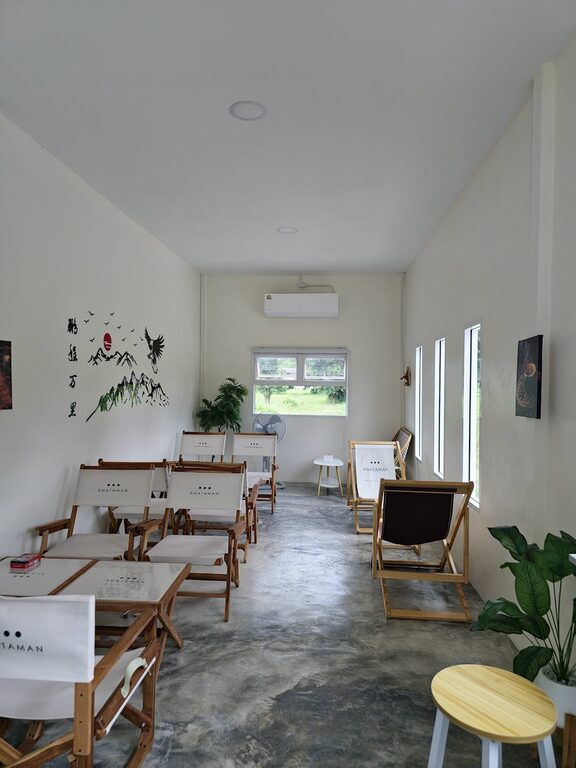
Bringing plants into your home is one of the easiest and most enjoyable ways to refresh your living space. Not only do plants add natural beauty and color, but they also improve air quality and boost your mood. Whether you’re a seasoned plant parent or just starting out, incorporating greenery can brighten up any room and make your home feel more inviting.
In this post, we’ll explore practical tips and ideas to help you refresh your home with plants — from choosing the right types to styling and caring for them.
Why Add Plants to Your Home?
Plants contribute more than just decoration. Here are a few benefits:
– Improve air quality: Many plants filter toxins and add oxygen.
– Enhance mood: Greenery promotes relaxation and reduces stress.
– Add texture and color: Plants soften hard surfaces and bring life to dull spots.
– Connect with nature: Indoor plants create a calming, natural atmosphere.
With these perks in mind, let’s dive into how to select and arrange plants in your home.
Choosing the Right Plants for Your Space
Selecting plants that match your environment and lifestyle will make it easier to keep them healthy and beautiful.
Consider Light Conditions
– Low light: Snake plants, pothos, and ZZ plants thrive without much sunlight.
– Medium light: Spider plants and peace lilies prefer indirect light.
– Bright light: Succulents, cacti, and fiddle leaf figs need plenty of sun.
Evaluate the lighting in your rooms before purchasing. This ensures plants don’t waste away or demand too much maintenance.
Assess Your Availability for Care
Some plants require frequent watering and trimming; others are lower maintenance.
– Low maintenance: Snake plants, pothos, and cast iron plants tolerate irregular care.
– Higher maintenance: Ferns and orchids need more attention and humidity.
If you travel often or have a busy schedule, pick hardy plants that can manage with less.
Creative Ways to Display Plants
How you arrange plants can transform your home’s look. Here are some ideas:
Use Varied Planter Styles
Select pots that reflect your décor — modern ceramics, rustic baskets, or colorful terracotta. Mixing textures and sizes adds interest.
Create a Plant Corner
Group plants of different heights near a window or in an unused corner for a mini indoor garden.
Hang Plants
Macramé hangers or wall-mounted planters are great for small spaces and add vertical greenery.
Utilize Shelves
Display plants alongside books and décor on shelves to integrate them seamlessly.
Place Small Plants in Unexpected Areas
Add succulents or air plants to your desk, bathroom shelf, or kitchen counter for subtle pops of green.
Easy Plant Care Tips
Keeping plants healthy is simpler than it seems with these basics:
– Water smartly: Check moisture before watering; avoid overwatering.
– Feed occasionally: Use diluted fertilizer during growing season.
– Rotate for even growth: Turn plants so they grow uniformly.
– Clean leaves: Dust leaves regularly to help them breathe.
– Watch for pests: Inspect plants and treat any infestations promptly.
Refreshing Your Home with Seasonal Plant Changes
Rotate your plants according to seasons to keep your décor fresh:
– Spring/Summer: Brighten rooms with blooming flowers or new growth plants.
– Fall/Winter: Switch to evergreens and hardy indoor plants that add warmth.
Introducing new plant varieties or changing arrangements seasonally can keep your space lively and inviting year-round.
Final Thoughts
Adding plants to your home is a wonderful way to refresh and personalize your environment. By choosing plants suited to your space and care ability, displaying them creatively, and keeping up with simple maintenance, you’ll enjoy a healthier, more vibrant home.
Start small, have fun experimenting, and watch your indoor garden flourish over time!